First Interview Questions to Ask Candidates: A Complete Guide
Discover effective first interview questions to ask candidates. Learn behavioral, skill-based, and cultural fit questions to assess talent and make confident hiring decisions.
First Interview Questions to Ask Candidates: A Complete Guide
The first interview sets the tone for your entire hiring process. When you're running interviews with candidates, the questions you ask reveal critical insights about their experience, skills, and potential fit within your organization. But what makes a question effective in a first interview?
Try Whileresume
Publish my resumeThe opening moments matter tremendously. Many recruiters and hiring managers wonder: what are good questions to ask in a first interview? The answer depends on balancing multiple objectives. You need to assess technical abilities, understand past experience, evaluate soft skills, and determine cultural alignment—all while creating a positive impression of your company.
Understanding the Purpose of First Interview Questions
Why the First Interview Matters
Your initial conversation with a candidate serves multiple purposes. It's your chance to move beyond the resume and understand the person behind the application. During this step, you're looking to confirm that their previous experience genuinely matches the job description. You're also assessing whether they can handle the specific demands of your role.
The first interview helps you determine if someone has the qualities needed for success. Does this candidate possess the communication skills your team requires? Can they demonstrate leadership potential? Will their values align with your organization's culture? The U.S. Small Business Administration emphasizes the importance of structured interviewing for making informed hiring decisions.
What Success Looks Like in the First Interview
A successful first interview leaves you with clear answers. You should understand what the candidate's career goals are and whether this position represents progress toward those aspirations. You want concrete evidence of their ability to solve problems and learn quickly. Most importantly, you need enough information to decide if they warrant a second-round interview.
Essential Behavioral Interview Questions
Understanding Behavioral Interview Questions
Behavioral interview questions ask candidates to describe specific situations from their past. Why? Because past behavior predicts future performance. When interviewing entry-level talent or experienced professionals, behavioral questions reveal how someone actually handled challenges, not just how they think they would.
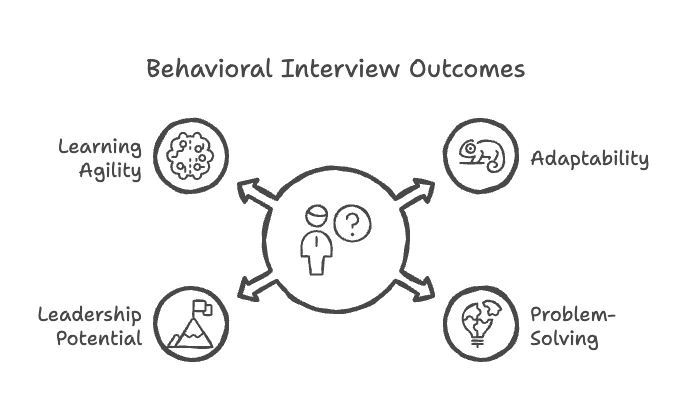
These questions help you assess qualities like adaptability, problem-solving ability, and leadership potential. They move beyond theoretical answers and into real-world scenarios.
- "Tell me about a time you handled a conflict with a colleague and how you resolved it"
- "Can you describe a challenge you faced in your previous position and your approach to solving it?"
- "Share an example of when you demonstrated leadership, even without a formal leadership title"
- "Tell me about a time you made a mistake and what you learned from it"
- "Describe a situation where you had to learn something new quickly for a job"
- "Give me an example of when you had to adapt to significant change at work"
Skill-Based and Technical Interview Questions
Assessing Technical Competencies
Technical interview questions directly evaluate whether candidates possess the specific abilities your role requires. When you're assessing talent for specialized positions, these questions become critical. They reveal not just knowledge, but application of that knowledge.
Consider the technical skills your job description lists as essential. Each one deserves focused questioning. For instance, if project management experience matters, ask them to walk you through how they managed a complex project from start to finish. According to the Bureau of Labor Statistics, technical competencies vary significantly across industries and roles.
| Technical Skill | Sample Question | What It Reveals |
|---|---|---|
| Project Management | "How would you prioritize multiple projects with competing deadlines?" | Planning ability, pressure management |
| Data Analysis | "Walk me through how you analyzed data to support a business decision" | Methodical thinking, business understanding |
| Communication | "Describe how you explained a complex concept to non-technical stakeholders" | Clarity, audience awareness |
| Leadership | "Tell me about a time you had to lead people without direct authority" | Influence, relationship building |
Soft Skills Questions for Deeper Assessment
Evaluating Cultural Fit and Personal Qualities
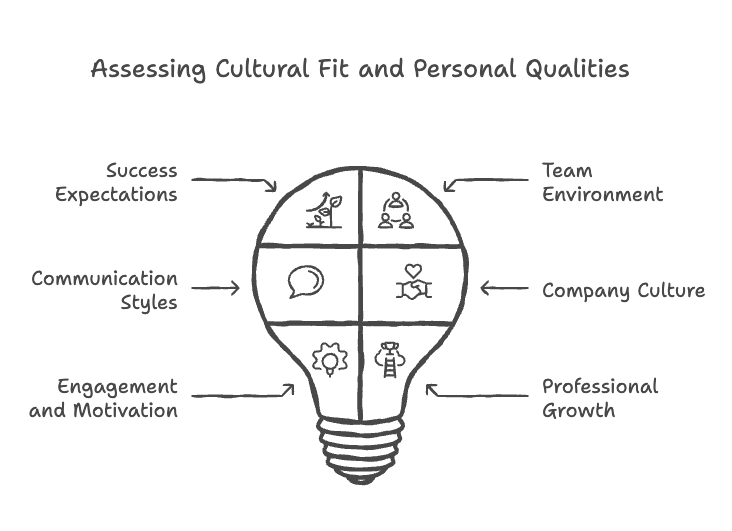
What does success look like to you in your first six months at a new job? This question reveals whether candidates understand your organization's environment and have realistic expectations. Their answer tells you if they're focused on immediate wins or sustainable growth.
Cultural fit questions go beyond "do you like our values?" They explore how someone actually operates. Someone claiming to be a team player should demonstrate specific instances of collaboration. Someone valuing work-life balance should explain how they achieved it previously.
- "What kind of team environment helps you perform at your best?"
- "How do you approach working with people who have different communication styles?"
- "Describe your ideal company culture and why it matters to you"
- "When have you felt most engaged and motivated at work?"
- "What does professional growth mean to you?"
Experience-Related Interview Questions
Understanding Their Professional Background
Walk me through your resume—but ask it thoughtfully. Rather than asking them to recite their job history, ask what they learned from each position. This uncovers genuine insights versus prepared talking points.
What did you learn from your internships or part-time jobs that will help in this role? Entry-level candidates often downplay early experience. Yet internships frequently teach crucial lessons about workplace dynamics, industry standards, and personal strengths that remain relevant for years.
Focus on how their experience translates to your open position. Ask them to identify specific skills or knowledge from past roles that directly apply. This shows you they've thought about the transition and can make connections between their history and your needs.
Experience-Related Questions for All Levels
Is your candidate coming from a different industry? Different role level? Previous career path? These situations require tailored questions that help you understand their learning ability and motivation for change.
| Experience Scenario | Question to Ask | Why This Matters |
|---|---|---|
| Career Change | "Can you explain why you changed career paths and what attracted you to this new direction?" | Reveals genuine interest vs. desperation |
| Job Hopping | "What's one of the most important lessons you've learned from your past jobs that you'll bring here?" | Shows growth mindset, identifies what matters to them |
| Extended Employment | "How have you continued to grow and develop in your current role over the years?" | Demonstrates commitment and continuous learning |
| Entry-Level | "What's one skill you hope to develop in your first job, and how will you pursue it?" | Shows self-awareness and initiative |
Career Goals and Motivational Questions
Understanding Career Aspirations
What are your career aspirations? This straightforward question often produces vague answers—until you press further. The follow-up is where insights emerge: How do you plan to achieve your career goals? Will this position help you reach them?
Someone with clear goals and a thoughtful plan demonstrates purpose and direction. They've considered their professional development and understand what they need to progress. Conversely, candidates with no clear direction might struggle with motivation or become restless quickly.
The key is determining if their ambitions align with what your organization offers. If they aspire to leadership, can you provide that growth path? If they seek technical depth, does your role allow specialization? When aspirations and opportunity align, you get dedicated employees.

Cultural Alignment and Company Fit Questions
Assessing Organizational Fit
Describe your ideal company culture. Listen carefully to what they highlight. Do they value innovation, stability, collaboration, or autonomy? Do their priorities match your organization's actual culture, or is there a mismatch?
This question helps you assess whether the candidate has researched your company and understood your values. Someone who knows your business and genuinely connects with your mission becomes a more engaged employee. Someone seeking any position just to fill a role might underperform or leave quickly.
The Most Important First Interview Strategies
Structuring Your Question Set
Effective interviewing means balancing question types. Start with experience-related questions to establish rapport and let candidates settle in. Move toward behavioral questions that reveal decision-making patterns. Include skill-specific questions that directly relate to the job. Conclude with motivation and culture-fit questions that help you confirm the candidate is genuinely interested.
Creating Space for Candidate Questions
What questions should candidates ask you? This reveals what matters to them. Their questions show whether they've researched your company, understand the role deeply, or have concerns about work environment, team dynamics, or career development opportunities.
Reading Between the Answers
What to Listen For
How candidates answer matters as much as what they say. Do they provide specific examples or stay vague? Can they articulate what they learned from challenges? Do they take responsibility or blame external factors? When discussing conflict, do they show empathy for the other person's perspective?
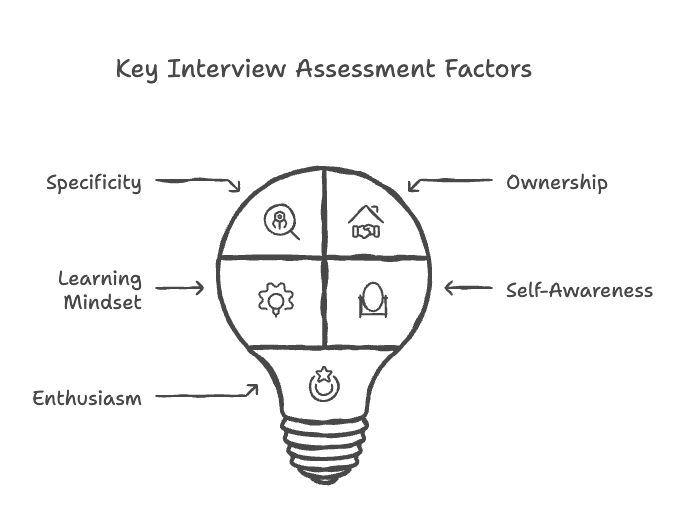
But how do you determine if someone you are interviewing has these qualities? Pay attention to:
- Specificity—vague answers often hide weak experience
- Ownership—do they credit themselves or their team?
- Learning mindset—did they reflect on outcomes and improve?
- Self-awareness—can they identify their own strengths and gaps?
- Enthusiasm—does genuine interest come through or just prepared responses?
Common First Interview Mistakes to Avoid
Interview Technique Pitfalls
Asking leading questions biases candidates toward answers you want to hear. Conducting interviews in noisy environments or with distractions undermines your ability to assess thoughtfully. Hiring managers sometimes fail to mention key information about the role, then judge candidates for not asking about it.
Perhaps worst of all: talking more than listening. Your job during the first interview is to gather information, not convince the candidate they want the job. Create space for detailed responses. When someone gives a short answer to a behavioral question, silence often prompts them to share more. Be mindful of EEOC guidelines on prohibited employment practices to ensure your interview questions remain legal and non-discriminatory.
Tailoring Questions to Role and Level
Entry-Level Candidates
Entry-level talent often lacks extensive work history. Instead of asking about 10 years of experience, ask about academic projects, internships, volunteer work, or coursework. Focus on potential, learning ability, and foundational soft skills like communication and teamwork.
Mid-Level Professional Candidates
Mid-career candidates should demonstrate increasing responsibility and impact. Ask them to articulate how their contributions grew over time. Explore their decision to seek a new position—was it for better title, compensation, culture, or challenge? The Occupational Outlook Handbook provides detailed insights into the skills most valued in different professions.
Senior and Leadership Candidates
Leaders should think strategically about business impact. Ask about their vision for the role, how they would approach building or improving a team, and what success looks like over a longer timeframe. Explore their leadership philosophy and how they develop others.
After the First Interview
Documentation and Decision-Making
Take notes during or immediately after the interview. Record specific examples they mentioned, your assessment of their technical capabilities, and your gut feeling about cultural fit. Waiting to document everything leads to forgotten details and biased recollection.
Before moving candidates forward, ensure compliance with FTC guidelines on background checks and candidate verification. Revisit the key criteria for the role. Did this candidate demonstrate the experience, skills, and qualities you need? Would they contribute meaningfully to your team? Do their career goals align with what you can offer?
Building Your First Interview Question Bank
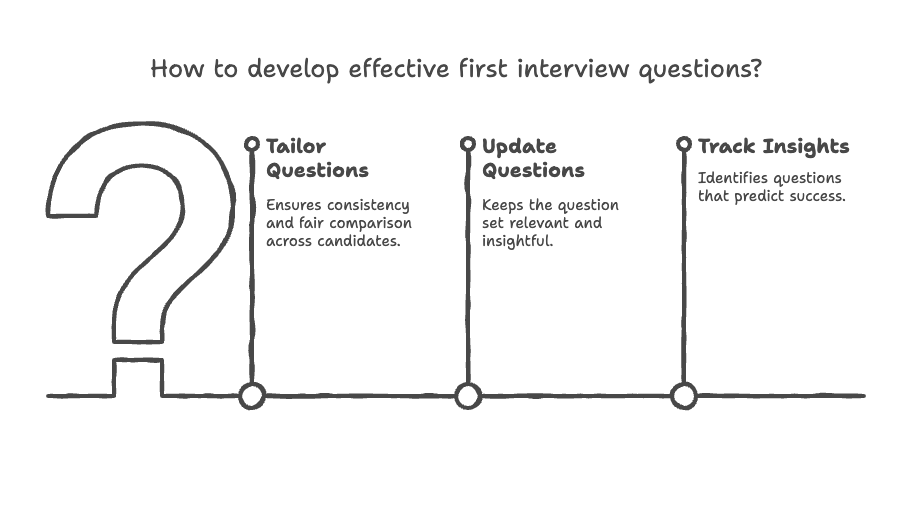
Develop a tailored set of first interview questions designed specifically for your role and organization. This ensures consistency across candidates and helps you compare them fairly. Include questions about experience, behavioral situations, technical skills, and cultural fit.
Update your questions periodically as the role evolves or as you learn which questions provide the most valuable insights. Track which questions consistently reveal the qualities that predict success in your organization. Over time, your question set becomes a valuable recruitment tool.
A thoughtful first interview separates candidates who look good on paper from those who will actually perform and grow within your team. By asking the right questions and listening carefully to the answers, you make confident hiring decisions that benefit your entire organization.